
Engaging in dance can be a wonderful way for children to develop self-confidence. Whether they are just starting out or have been dancing for a while, the process of learning new moves, interacting with peers, and expressing themselves through movement can create a supportive environment that fosters growth.
Why Do Children Sometimes Feel Insecure on Their First Lesson?
Starting something new can be quite daunting for children. The unfamiliar environment, new people, and the fear of making mistakes are common reasons why they might feel a bit unsure. This is a natural part of the learning process, and understanding it can help parents provide the right support.
Small Achievements: How Mastering New Moves Provides a Sense of Progress
Every new move learned is a small victory. As children progress in their dance classes, they gain a sense of accomplishment, which can significantly contribute to their confidence. Over time, these small achievements accumulate, leading to greater self-assurance.
Dance and the Opportunity for Self-Expression
Dance allows children to express their emotions and individuality through movement. This powerful form of self-expression can help them feel more connected to themselves and more comfortable sharing who they are with others.
Social Interaction and New Friendships in Dance Groups
Dancing in a group provides opportunities for socialization. Children can form friendships with their peers, which can enhance their sense of belonging and reduce feelings of isolation.
Why It’s Important for Children to Make Mistakes While Learning
Making mistakes is a natural part of learning. It’s essential for children to understand that mistakes are not to be feared but embraced. This perspective can encourage them to take risks and push their boundaries without the fear of failure.
How the Instructor and Group Atmosphere Affect a Child’s Comfort
A supportive and encouraging dance instructor can make a significant difference in how comfortable a child feels in class. An inviting atmosphere where everyone feels valued can greatly enhance a child’s confidence and willingness to participate.
Performing on Stage and Gradual Experience Accumulation
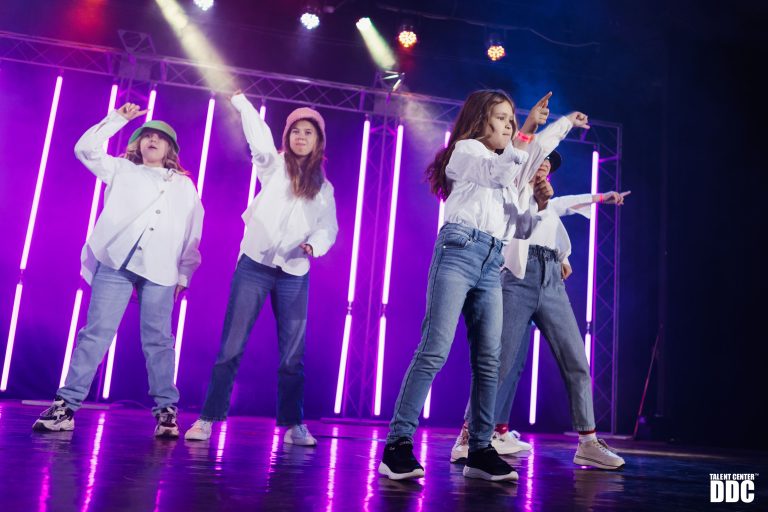
Participating in performances can provide children with a valuable experience. Although it may be intimidating at first, regular exposure to performing on stage can help them develop stage presence and self-assuredness over time.
Why Children Should Not Be Compared to Other Dancers
Every child has their own unique journey in dance, and comparing them to others can be counterproductive. Fostering an environment where each child’s progression is celebrated can help nurture their confidence.
How Parents Can Support Their Child
- Encourage them to try a trial lesson at a dance school.
- Choose an age-appropriate class.
- Share information about what to expect during the lesson.
- Avoid expecting immediate results after the first class.
- Ask them if they enjoyed the class rather than focusing on performance outcomes.
Why Enjoyment is More Important than Results
Ultimately, enjoying dance and the process of learning is what keeps children engaged. Focusing on fun rather than results helps instill a love for dance that can lead to long-term participation and personal growth.
What to Do If a Child is Hesitant to Join Dance Classes
- Start with a trial lesson to see how they feel.
- Select the right age group for their comfort level.
- Discuss what a typical class looks like beforehand.
- Be patient and avoid expecting them to excel right away.
- Instead of asking, “Did you succeed?” ask, “Did you enjoy it?”.
When Does Confidence Develop?
Confidence takes time to build, and every child progresses at their own pace. Some may find their rhythm quickly, while others might require multiple lessons to feel comfortable in their new surroundings.
At Talent Center DDC, we offer various dance styles such as Hip-Hop, Jazz Funk, and Contemporary that can cater to different interests and help children find a style they enjoy.
If you’re curious about how dance can help your child build confidence, consider trying the first lesson at Talent Center DDC.

Comments are closed